One Battle After Another Review: Unpacking Action Pacing & Character Flaws
The cinematic landscape is constantly evolving, but every so often, a film erupts with an energy that demands attention. Such is the case with "One Battle After Another," a sprawling action epic that has ignited conversations across critics and audiences alike. Our deep dive into
One Battle After Another Reviews reveals a movie that is both exhilaratingly paced and surprisingly divisive in its character development and thematic undertones. From its intense action sequences to a standout villain performance, this film offers a complex viewing experience that’s worth exploring.
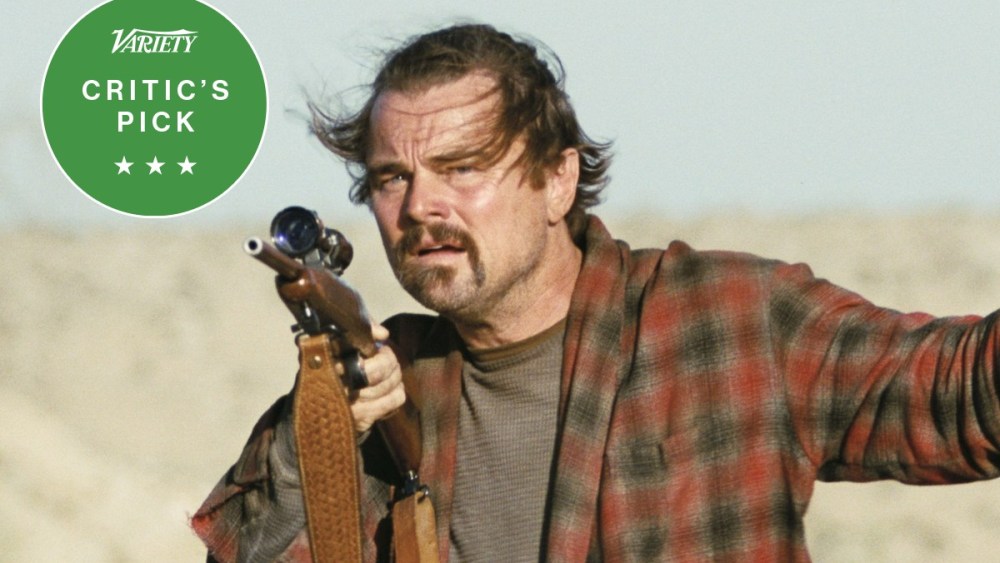
At its core, "One Battle After Another" plunges us into a world of high-stakes rebellion and enduring consequence. The narrative kicks off with a fiery prologue, introducing us to "Ghetto" (Leonardo DiCaprio) and Perfidia Beverley Hills (Teyana Taylor), a young, radicalized couple part of "French 75" – a revolutionary group waging war on the USA. Hot on their heels is the formidable Colonel Lockjaw (Sean Penn), a man driven by a chilling obsession. When a critical mission unravels, Ghetto and his infant daughter miraculously escape. Fast forward 17 years, and we find Bob (LDC, living under a new identity) and his now-grown daughter, Willow, attempting to live a secluded, ordinary life. However, Lockjaw's relentless pursuit unearths a new lead, shattering their peace and forcing Bob to confront his past while Willow grapples with a perilous future she never anticipated.
The Relentless Pacing and Gripping Narrative of 'One Battle After Another'
Clocking in at two hours and forty-one minutes, "One Battle After Another" is undoubtedly a significant undertaking, but it’s a testament to its craftsmanship that the runtime rarely feels its length. Critics widely praise the film's exceptional pacing, which keeps audiences firmly engaged from start to finish. This is a movie that moves with purpose, never lingering unnecessarily, yet allowing moments of tension and character interaction to breathe just enough before propelling forward.
The writing, while described by some as simple at times, is consistently snappy and effective, ensuring that the plot maintains momentum without sacrificing clarity. The characters, even those with less development, feel "light" and contribute to the narrative flow rather than bogging it down. This masterful control over pacing is crucial for an action-packed film of this duration, preventing audience fatigue and maintaining a high level of excitement throughout. It's a prime example of how judicious editing and sharp storytelling can transform a lengthy runtime into a brisk, captivating journey. For a deeper dive into how the film balances its political themes with its breakneck speed, explore
One Battle After Another: Unpacking Its American Politics & Pacing.
Technical Brilliance & Sean Penn's Commanding Performance
Beyond its compelling pace, "One Battle After Another" stands out for its impressive technical achievements and a truly memorable antagonist.
Visuals and Sound: A Feast for the Senses
Visually, the film is a triumph. The cinematography is described as brilliant, crafting a stunning aesthetic that enhances both the grittiness of the action and the quiet moments of reflection. Every frame appears meticulously composed, contributing significantly to the film’s overall impact. Complementing the visual grandeur is a wonderful soundtrack – peppy, exciting, and perfectly tonally matched to the unfolding drama. While it risked being overbearing, the score achieves a sweet spot, elevating the emotional stakes and intensifying the action without ever feeling intrusive. This harmonious blend of stunning visuals and an evocative soundscape creates an immersive cinematic experience that truly shines.
Sean Penn as Colonel Lockjaw: The Unforgettable Antagonist
Perhaps the most universally lauded aspect of "One Battle After Another" is Sean Penn's electrifying portrayal of Colonel Lockjaw. Penn delivers a performance that is both exciting and terrifying in equal measure, cementing Lockjaw as the undisputed highlight of the film. His presence on screen is magnetic, embodying a chilling determination that makes him a formidable foe. Early interactions, particularly with Regina King, are highlighted as being fantastically executed, showcasing Lockjaw's sinister charm and ruthlessness.
While the reviewer notes that Penn wasn't able to consistently recreate that initial magic throughout the entire main section of the film, his initial impact and overall portrayal remain the most thrilling element. Penn’s ability to inject such menace and complexity into a villain elevates the entire narrative, providing a compelling anchor against which our protagonists must struggle. For an in-depth look at this standout performance, check out
Sean Penn Shines: One Battle After Another's Villain Performance.
Unpacking Character Flaws and Thematic Nuances
Despite its many strengths, "One Battle After Another" is by no means a perfect film, and critics have pointed to specific areas where it falls short, particularly regarding character development and its overt political leanings.
Stagnant Growth: The Achilles' Heel of Key Characters
One of the most significant criticisms leveled against the film is its somewhat stagnant character development. While Willow (sometimes referred to as Flo) is clearly on a journey of growth and "coming of age," the same cannot be said for her father, Bob (Leonardo DiCaprio), and surprisingly, the antagonist, Lockjaw. Both characters are perceived to remain "stubbornly unchanged" throughout the narrative.
This lack of evolution for key figures can detract from audience empathy and engagement. In a film with such an intense premise, viewers often seek to connect with characters who grow, learn, or transform in meaningful ways. When central figures appear to be static, it can diminish the emotional weight of their struggles, reducing them to archetypes rather than complex individuals. The emotional crescendo, therefore, can feel a little flat when the characters leading it haven't undergone significant internal shifts.
A Very American Lens: Politics, Humor, and Audience Reception
The film is also noted for feeling distinctly "male written" and largely viewed through a "male gaze," which can influence its perspective and appeal. Furthermore, its political and humorous undertones are deeply embedded in a contemporary "Trumpian landscape," resonating with a broad liberal audience. While this direct engagement with current sociopolitical themes can be powerful for some, it can also be a double-edged sword.
The humor, in particular, proved polarizing. For some, Leonardo DiCaprio's attempts at humor felt forced and didn't land effectively, leading to a sense of the film "desperately asking for laughs." This, combined with the specific political commentary, contributed to the emotional climax feeling less impactful for certain viewers. It’s acknowledged that the film's impact might differ for a British audience compared to an American one, given the cultural and political specificity of its humor and themes. While art often reflects its time, grounding humor and politics so firmly in a specific national context can limit universal appeal and create moments that feel out of sync for those outside that immediate sphere.
Is 'One Battle After Another' Worth Your Time?
Ultimately, "One Battle After Another" is a cinematic experience with a clear dichotomy of strengths and weaknesses. Its extraordinary pacing, brilliant technical execution in cinematography and soundtrack, and Sean Penn's terrifyingly charismatic performance as Colonel Lockjaw are universally applauded. These elements combine to deliver a thrilling, engaging action film that rarely lets up.
However, its narrative depth is somewhat hampered by a perceived lack of character development for its central figures, diminishing potential empathy. The film's specific brand of humor and its deeply embedded American political commentary also proved to be points of contention for some, potentially affecting the emotional resonance for a broader audience.
Despite these caveats, the general consensus is that "One Battle After Another" is "a pretty damn fun movie." It’s an ideal watch for those who appreciate high-octane action, exceptional technical filmmaking, and a powerhouse villain performance. If you're willing to overlook some character stagnation and are open to its specific brand of humor and political leanings, this film promises a captivating and energetic ride that lives up to its title.
Conclusion
In sum, "One Battle After Another" carves out a significant space in the action genre with its relentless energy and technical prowess. From the opening revolutionary fervor to the climactic confrontations, it demonstrates a masterful command of pacing and visual storytelling. While the film may not satisfy every critic's desire for profound character arcs or universal humor, it undeniably delivers a thrilling spectacle, largely propelled by Sean Penn’s unforgettable villainy. For those seeking an adrenaline rush and an expertly crafted action experience, diving into
One Battle After Another Reviews confirms that this movie is a memorable, albeit imperfect, cinematic journey.