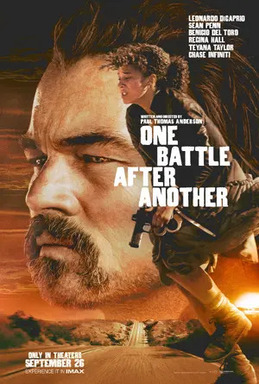
Sean Penn Shines: Decoding Colonel Lockjaw's Masterful Villainy in One Battle After Another
In the landscape of contemporary action cinema, where spectacle often overshadows substance, a truly compelling villain can elevate a film from mere entertainment to a memorable experience. Such is the case with One Battle After Another, a high-octane thriller currently captivating audiences. While the film garners considerable buzz for its gripping narrative and technical prowess, a significant portion of the critical acclaim in One Battle After Another reviews is undeniably directed towards Sean Penn's electrifying performance as the antagonist, Colonel Lockjaw.
Penn, an actor renowned for his intense commitment and chameleon-like ability to inhabit diverse roles, delivers a chilling portrayal that anchors the film's central conflict. His Lockjaw is not just a formidable foe but a character imbued with a terrifying charisma, making him an inescapable highlight that demands attention from the moment he appears on screen. This article delves into the nuances of Penn's performance, the film's broader appeal, and what makes One Battle After Another a standout entry in the action genre.
Sean Penn's Menacing Masterclass as Colonel Lockjaw
From the outset, Sean Penn’s Colonel Lockjaw emerges as the undisputed highlight of One Battle After Another. Critics consistently point to his portrayal as a tour de force, describing him as both "exciting and terrifying in equal measures." Penn masterfully crafts a villain who is not merely evil for evil's sake, but one driven by a palpable, almost obsessive, agenda. His initial infatuation with Deandra (Perfidia Beverley Hills in her younger days) lays a psychological foundation that evolves into a deeply personal, relentless vendetta against "Ghetto" (Leonardo DiCaprio's character). This backstory imbues Lockjaw with a twisted sense of purpose, making his actions feel chillingly justified within his own warped logic.
One of the film's standout moments, often cited in One Battle After Another reviews, involves Lockjaw's early interactions with Regina King, whose presence, though perhaps brief, seems to ignite a particularly potent energy from Penn. These scenes showcase his ability to project menace and intelligence simultaneously, crafting a character who is both physically imposing and intellectually cunning. While the source material suggests this initial spark wasn't fully replicated throughout the entire film, Penn’s Lockjaw remains the most dynamic and engaging element, consistently injecting suspense and a genuine sense of threat whenever he appears. He embodies the relentless force driving the narrative, making every pursuit feel desperate and every confrontation fraught with tension. It's a performance that reminds us why a truly great villain is indispensable to a memorable action movie, providing not just opposition, but a compelling, unsettling presence that lingers long after the credits roll.
Beyond the Villain: Unpacking "One Battle After Another's" Thrilling Narrative
While Penn's performance is a major draw, One Battle After Another offers far more than just a captivating antagonist. The film's narrative structure is ambitious and expertly executed, ensuring consistent engagement throughout its substantial runtime of two hours and forty-one minutes. It's a significant undertaking that, refreshingly, never feels stretched or laborious, a testament to its exceptional pacing. As many One Battle After Another Review: Action Pacing & Character Flaws highlight, this is a movie that understands the rhythm of action and suspense.
The story kicks off with a potent prologue, introducing us to the young revolutionary couple, "Ghetto" (Leonardo DiCaprio) and Perfidia Beverley Hills (Teyana Taylor), as they declare war on the USA. Their pursuit by the relentless Colonel Lockjaw forms the initial dramatic core. When a mission goes awry, "Ghetto" and their baby escape, seemingly vanishing. Fast forward seventeen years, and we find Bob (DiCaprio, under a new identity) living a secluded, normal life with his daughter, Willow. However, Lockjaw's obsession hasn't waned. A new lead puts Bob and Willow's lives in immediate danger, forcing Bob to confront his past and Willow to rapidly come to terms with a reality far more dangerous than she ever imagined. This setup provides a rich foundation for an intergenerational conflict, blending past trauma with present peril. The writing, though at times simple, is consistently snappy, driving the plot forward with an energetic cadence that keeps viewers on the edge of their seats.
Technical Brilliance and Cinematic Craftsmanship
Beyond its gripping plot and stellar performances, One Battle After Another stands out for its impressive technical execution. The film is a visual treat, boasting brilliant cinematography that captures both the explosive action sequences and the more intimate character moments with equal skill. Each frame is meticulously composed, contributing to an overall aesthetic that is both polished and visceral. The visual storytelling perfectly complements the fast-paced narrative, creating a truly immersive experience for the audience.
Equally commendable is the film’s soundtrack. Described as "wonderful, peppy and exciting," the musical score plays a crucial role in shaping the film's tone. It expertly balances high-energy tracks that amplify the thrilling action with more subtle, emotionally resonant pieces that underscore critical dramatic beats. While there's always a risk of a soundtrack becoming overbearing in an action-heavy film, One Battle After Another hits the sweet spot, enhancing the viewing experience without ever detracting from it. The harmonious blend of visual splendor and auditory excellence ensures that the film is not just watched, but deeply felt. This commitment to high production values undoubtedly positions One Battle After Another as a strong contender come awards season, particularly against films praised for their technical achievements.
Strengths and Stumbling Blocks: A Balanced Perspective on "One Battle After Another"
While One Battle After Another reviews have largely been enthusiastic, no film is without its perceived flaws. The movie garners widespread plaudits for its relentless pacing, superb technical execution, and, of course, Sean Penn's unforgettable villain. However, some critics have pointed to aspects that could have been further developed. One common critique revolves around character development. While Willow undergoes a significant arc of coming-of-age and learning about her father’s past, the characters of Bob (Leonardo DiCaprio) and even Lockjaw himself are noted for remaining somewhat "stubbornly unchanged." This stagnation, for some, takes away from deeper empathy or engagement, reducing them to archetypal figures rather than evolving individuals.
Another point of discussion centers on the film's perspective. It has been described as feeling "very male written and primarily from a male gaze," which might influence how certain narrative threads are explored or presented. Furthermore, the film's humor and politics are distinctly American, with a particular relevance to a "Trumpian landscape." While this undoubtedly resonates with a broad liberal audience in the U.S., it can create a different experience for international viewers, as explored in One Battle After Another: Unpacking Its American Politics & Pacing. For instance, the humor, especially surrounding DiCaprio's character who isn't universally perceived as naturally funny, felt forced to some, leading to a less impactful emotional crescendo. A British audience, for example, might not connect with certain jokes or political undertones as readily, though this doesn't diminish the film's overall entertainment value. These observations highlight that while One Battle After Another is undeniably fun and engaging, its specific cultural touchstones and character choices might lead to varied levels of emotional resonance across different demographics.
Conclusion: A Fiery Spectacle Driven by a Masterful Performance
One Battle After Another emerges as a compelling entry in the action genre, a film that largely delivers on its promise of excitement and thrills. While it may not be a perfect movie, its strengths far outweigh its minor shortcomings, making it a highly enjoyable cinematic experience. The film's unwavering pacing, stunning cinematography, and an electrifying soundtrack combine to create a deeply engaging narrative that keeps audiences riveted for its considerable runtime. However, the true beating heart of its critical success, as consistently highlighted in One Battle After Another reviews, is Sean Penn's terrifyingly brilliant portrayal of Colonel Lockjaw. His menacing performance provides the essential fuel for the film's relentless pursuit and elevates the entire production. While some character arcs may feel stagnant and its cultural humor might not universally translate, the sheer entertainment value and Penn's unforgettable villainous turn ensure that One Battle After Another shines brightly and will undoubtedly leave a lasting impression on action movie enthusiasts.