One Battle After Another Reviews: A Deep Dive into American Politics and Dynamic Pacing
In the bustling landscape of contemporary cinema, few films manage to spark as much conversation and critical dissection as One Battle After Another. From its high-octane action sequences to its pointed political undertones, this movie has swiftly become a talking point among audiences and critics alike. If you're searching for comprehensive One Battle After Another Reviews, you've come to the right place. We'll unpack what makes this film a compelling, albeit imperfect, cinematic experience, focusing on its ambitious narrative, relentless pacing, and a cast that delivers memorable performances.
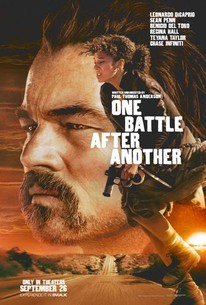
The film thrusts us into a world of political upheaval right from its prologue. We meet a younger “Ghetto” (played by Leonardo DiCaprio) and Perfidia Beverley Hills (Teyana Taylor), members of a revolutionary group called French 75, declaring war on the USA. Their actions draw the attention of the formidable Colonel Lockjaw (Sean Penn), an officer with a personal obsession. After a mission goes awry, Ghetto and his infant escape, vanishing into the shadows. Seventeen years later, under new identities as Bob and his daughter Willow, they lead a secluded life. However, Lockjaw’s relentless pursuit reignites their past, forcing Bob to confront his demons and Willow to rapidly come of age.
The Thrilling Pace and Technical Brilliance of One Battle After Another
One of the most universally praised aspects of One Battle After Another is its expert handling of pace. Clocking in at two hours and forty-one minutes, it’s a substantial commitment, yet critics consistently highlight how swiftly the time flies by, a testament to its engaging storytelling and relentless energy.
A Masterclass in Engaged Storytelling
Despite its lengthy runtime, the film never feels stretched or monotonous. Reviewers commend its ability to maintain audience engagement throughout. This isn't just about constant explosions; it's about a narrative that’s tightly wound, with snappy writing that keeps the plot moving forward. The characters, though sometimes criticized for lack of depth, are described as "light," preventing the story from becoming bogged down in overly complex internal monologues. This strategic simplicity in character writing allows the plot to take precedence, ensuring that the audience is always focused on the immediate stakes and unfolding action. It’s a delicate balance that One Battle After Another seemingly masters, turning what could have been an endurance test into a gripping ride.
Visuals and Sound That Elevate the Experience
Beyond its narrative drive, the technical execution of One Battle After Another garners significant praise. The cinematography is frequently described as "brilliant," contributing to a visually striking film that looks "great" on screen. This visual prowess is paired with a "wonderful soundtrack" that is both "peppy and exciting." Crucially, the score doesn't just provide background noise; it tonally matches the film's energy, enhancing the mood and impact of each scene. While there was a risk of the soundtrack becoming "overbearing," it skillfully hits a "sweet spot," complementing the action without overshadowing it. These technical achievements collectively build an immersive world that captivates viewers from start to finish, reinforcing why many positive One Battle After Another Reviews underscore the film's strong production value.
Sean Penn's Electrifying Turn as Colonel Lockjaw
No discussion of One Battle After Another would be complete without highlighting the standout performance of Sean Penn as the film's antagonist, Colonel Lockjaw. His portrayal is consistently cited as a major strength, injecting a potent blend of terror and excitement into the narrative.
The Unforgettable Antagonist
Sean Penn embodies Lockjaw with a menacing intensity that makes him both fascinating and terrifying. His character isn't just a generic villain; he's driven by a deep-seated obsession that provides a compelling counterpoint to Bob’s pursuit of a normal life. Critics laud Penn's ability to be "exciting and terrifying in equal measures," making him the most "exciting part" of the film for many. While some argue that his electrifying dynamic, particularly in early scenes with Regina King, wasn't fully replicated throughout the entire film, his presence remains a powerful anchor, elevating every scene he’s in. For a more detailed look at his performance, consider reading Sean Penn Shines: One Battle After Another's Villain Performance.
Dynamic Performances Beyond the Lead
While Penn takes the spotlight, the film features a robust cast supporting the central conflict. Leonardo DiCaprio as Bob delivers a performance that, while criticized by some for being "a bit of a loser" or for forced humor, still grounds the emotional stakes of a father protecting his daughter. The film’s opening sequence also establishes Teyana Taylor’s character, Perfidia, setting the stage for the past that continues to haunt Bob. The initial interactions, especially between Penn and Regina King (whose role isn't detailed but noted for strong chemistry with Penn), suggest a broader ensemble that enriches the narrative tapestry, even if the primary focus remains on the cat-and-mouse game between Bob and Lockjaw.
Navigating the Political Currents and Character Depth
While largely praised for its action and pacing, One Battle After Another is not without its critical observations, particularly regarding its thematic depth and character development. These elements offer crucial insights for comprehensive One Battle After Another Reviews.
An American Lens: Humor and Politics
The film is noted for feeling "very American," both in its humor and its politics. Set against a backdrop reminiscent of a "Trumpian landscape," it taps into contemporary anxieties and political polarization. This relevance might contribute to its "broad liberal appeal," aligning with certain societal critiques or sentiments. However, this specific brand of humor, and indeed the broader political satire, doesn't universally land. One critic, for instance, found Leonardo DiCaprio's attempts at humor to feel forced, leading to a "flat" emotional crescendo. This suggests that while the film aims for relevance, its execution of politically charged humor might resonate differently depending on the audience's cultural and political perspective. For international viewers, particularly those in the UK as noted in one review, some of these nuances might be lost, making the film's impact culturally specific.
Unpacking Character Arcs and Perceptions
A recurring criticism revolves around the perceived stagnation in character development for several key figures. While Willow embarks on a clear "come of age" journey, both Leonardo DiCaprio's character (Bob/Ghetto) and Sean Penn's Lockjaw are described as remaining "stubbornly unchanged." This lack of significant internal evolution for the primary protagonists and antagonist can detract from deeper empathy or engagement, turning them into somewhat static figures in a dynamic plot. The observation that the film feels "very male written" and "primarily from a male gaze" further suggests a specific narrative focus that might influence how characters, particularly female ones, are developed or perceived. This lens could explain why emotional depth or complex internal struggles might be less emphasized in favor of external action and the male protagonist's journey, making some character interactions feel less resonant.
Is One Battle After Another Worth the Watch?
Despite its identified flaws, the consensus among many One Battle After Another Reviews remains largely positive. The film is consistently described as "pretty damn fun" and is "gathering plaudits left, right and centre." Its strengths lie in its ability to deliver an exhilarating action experience with tight pacing and impressive technical artistry, anchored by a compelling villainous performance from Sean Penn.
- For Action Enthusiasts: If you enjoy high-stakes thrillers with relentless action and a brisk pace, this film is likely to satisfy.
- For Political Thriller Fans: Those interested in films that subtly (or not so subtly) weave contemporary American political themes into their narrative will find much to discuss.
- For Performance Aficionados: Sean Penn's portrayal of Lockjaw alone is worth the price of admission for many, showcasing a master at work.
While it might not achieve perfection in character development or universal comedic appeal, its entertainment value and technical merits shine through, making it a noteworthy entry in the action-thriller genre. It’s a film that demands to be seen in cinemas, promising an immersive and engaging experience that, for many, is well worth the investment of time.
Conclusion
One Battle After Another stands as a robust action thriller that expertly balances a lengthy runtime with captivating pacing and exceptional technical craftsmanship. While its American political humor and certain character arcs may not resonate with every viewer, its strengths, particularly Sean Penn’s electrifying performance as Colonel Lockjaw and the film’s visual and auditory appeal, ensure it remains a thoroughly engaging cinematic event. For anyone seeking a dynamic, thought-provoking, and ultimately "damn fun" movie, the overwhelmingly positive One Battle After Another Reviews suggest this is one battle worth signing up for.